What Happens During a Storm Response
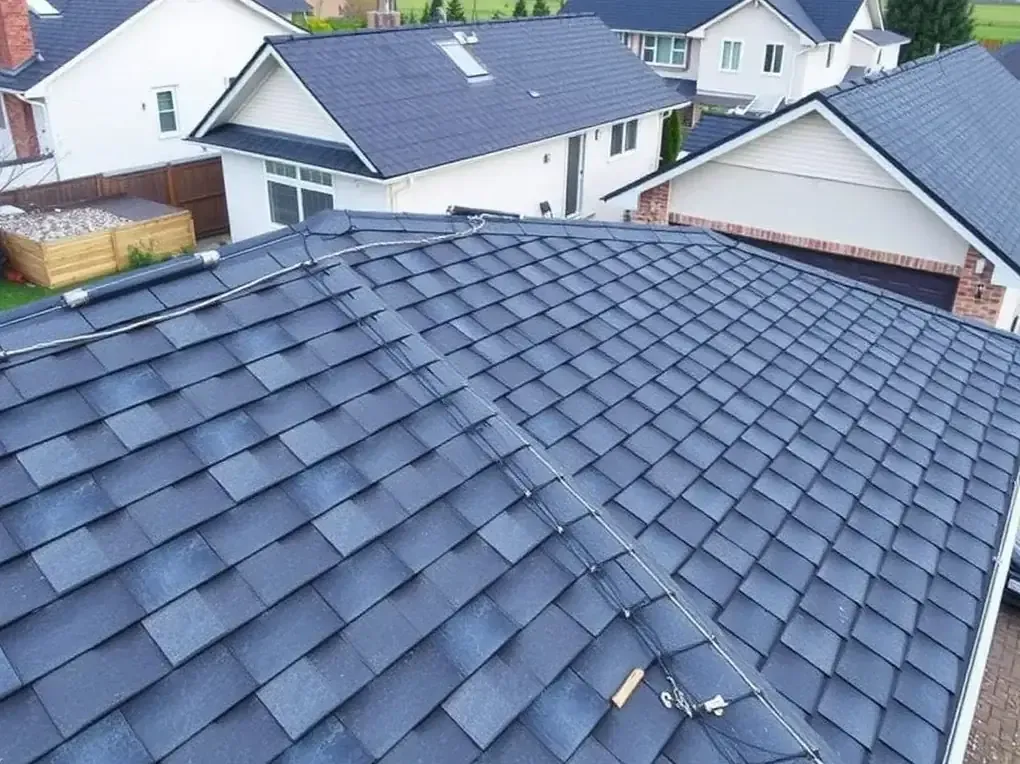
Storm response starts with stopping water, not with paperwork. We arrive with emergency tarps and sealant, secure the damaged section before nightfall, and hand you dated photos plus a written scope you can send straight to your insurance carrier.
The permanent fix happens after, once the decking is dry enough to trust. That order matters, because shingles laid over wet plywood trap moisture and rot the sheathing from underneath.
- Emergency tarping across the damaged field course, fastened with ring-shank nails and battens so wind cannot peel it loose overnight.
- Self-adhered ice-and-water shield rolled over the exposed decking to hold back water until new underlayment goes down.
- Flashing repairs at step flashing, counter-flashing, apron flashing, and chimney flashing, the details where water wicks sideways into the framing.
- New pipe flashing and pipe boots or vent boots wherever the rubber collar has cracked or pulled away at the plumbing stack.
- Drip edge replacement along the eave and rake, since bent metal lets runoff slip behind the fascia and rot the rafter tails.
- Debris clearing from valleys, behind the chimney, and inside gutters so meltwater leaves the rooftop instead of ponding.
Signs Your Roof Cannot Wait for the Next Storm
Most damage announces itself in ways you can see from the ground or smell from the attic. If any of these appear after a hail event or a hard wind, call 720-784-0657 instead of waiting on the next front.
- Water staining spreading across a ceiling or running down a wall, which means intrusion has already passed the underlayment.
- Shingles on the lawn or a bare patch on the field course after gusts strong enough to lift tabs.
- Bruised asphalt shingles with visible granule loss, the signature of marble-sized hail stripping away the protective surface.
- A limb resting on the roofline, which bends the drip edge and can puncture the roof deck underneath.
- Daylight or outside air coming through the sheathing when you look up from the attic.
- Ice damming at the eave in January and February, where meltwater refreezes and backs up under the starter course.
How Our Rapid Response Process Works
We keep the sequence simple, because a homeowner standing in a wet hallway does not need a lecture. Here is what happens between your first call and the final roof inspection.
- Same-day call-back and a short triage list: where water is entering, roof age, and whether a ceiling is bulging under weight.
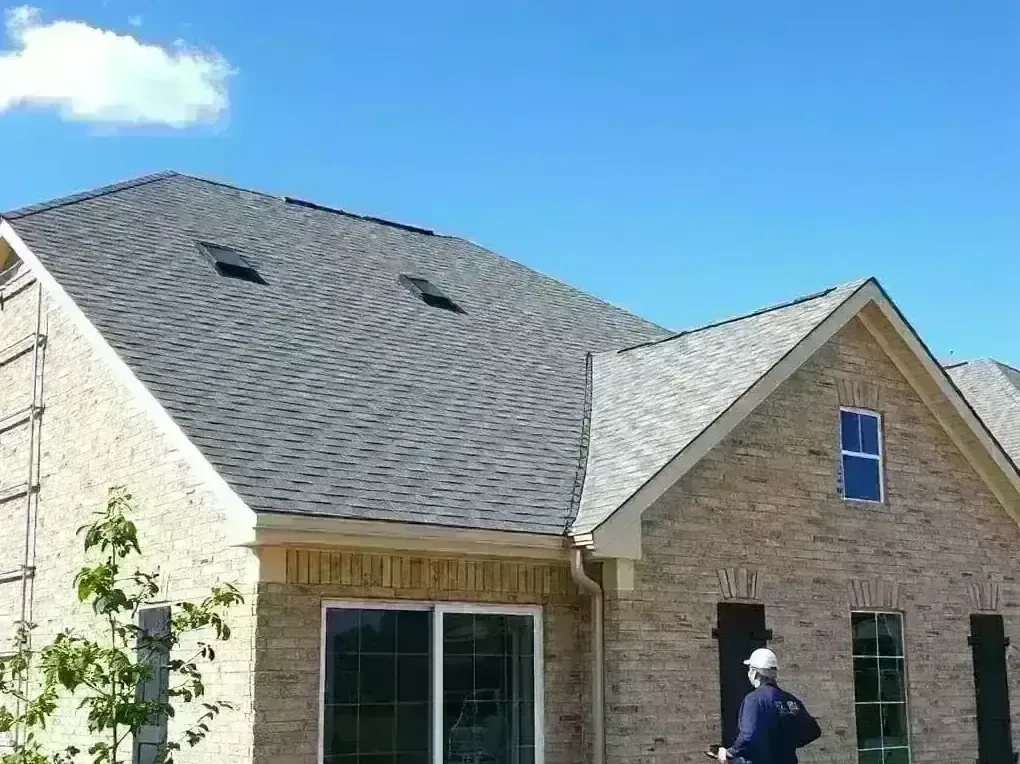
- On-site assessment with attic access when it is safe, moisture readings, and photos of every affected slope, valley, and penetration.
- Tarping and temporary waterproofing, plus a canopy over a damaged dormer or skylight if weather is still moving in.
- A written roof estimate broken into line items, with the storm date recorded so your carrier's scope matches ours.
- Permanent repair: tear-off of the damaged square, fresh decking, synthetic underlayment, staggered courses, and a finished ridge cap.
Materials We Keep on the Truck
Matching what is already on your roof is the difference between a repair and a scar. Our crews carry the common Colorado profiles and source the rest before we schedule, never after. Weatherproofing comes before appearance.
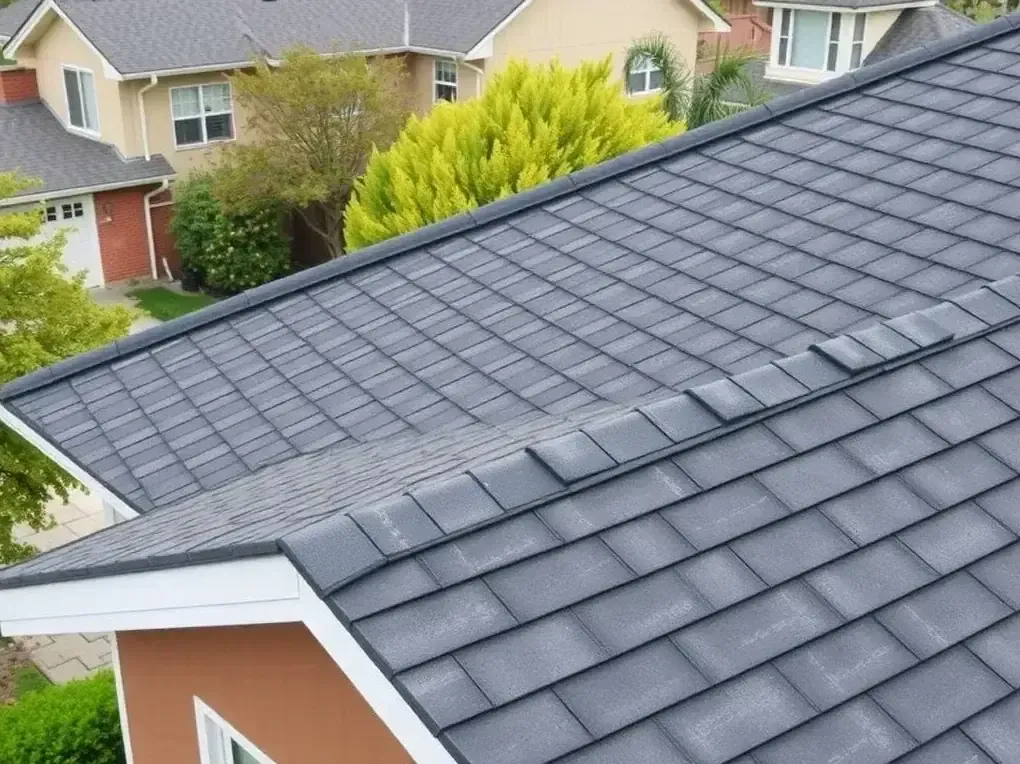
- Asphalt shingles in three-tab and architectural profiles, including the 1-selling architectural shingle most Denver roofs already carry.
- Wood shake and cedar shake for older bungalows, hand-split where the existing course calls for it.
- Slate, clay tile, and concrete tile for historic homes, matched by thickness and color as closely as the current run allows.
- Metal panels, including standing-seam panels and corrugated panels, with matching fasteners, screws, and sealing washers.
- Low-slope membranes such as TPO, EPDM, and PVC membrane for porches, garages, and additions with shallow pitch.
- Built-up roof and modified bitumen systems, self-adhered or torch-applied, for flat sections and parapet details.
- Synthetic underlayment, roofing felt, and tar paper, plus ice-and-water shield at every eave and valley.
- Sealants and adhesives: polyurethane caulk, roofing mastic, roof cement, and flashing-grade sealant that stays flexible below freezing.
- Roof coating and elastomeric coating for aging flat sections, applied after the seams are reinforced.
- Roof decking in plywood and OSB, cut to match sheathing thickness so the new panel sits flush with the old.
- Ridge cap, ridge vent, and soffit vent components that keep attic ventilation balanced after a repair.
- Gutter and downspout sections, because a crushed run of gutter pushes water straight into the fascia.
What Storm Damage Repair Costs in Denver
Emergency pricing depends on access, pitch, and how much decking has to come out, so we quote line items instead of one flat number. Stabilizing a roof with tarps usually runs $450 to $900 depending on size and how steep the pitch is.
A permanent repair on one or two damaged slopes typically falls between $650 and $2,500. If more than a few squares are involved, the estimate moves toward a partial re-roof, and we say so before any work starts.
- Tarping and stabilization: crew labor, tarp fasteners, and removal once the permanent repair is finished.
- Section repair: tear-off, new decking, underlayment, and replacement shingles on the affected slope.
- Decking replacement: priced per sheet, since rot or delamination means plywood or OSB comes out with the shingles above it.
- Low-slope membrane work: quoted per square foot after moisture readings confirm whether the insulation underneath is wet.
- After-hours storm calls: the same line-item rates, with travel listed up front rather than tacked on at the end.
Warranty Coverage and Insurance Claim Assistance
Insurance claim assistance is part of the work, not an upsell. We document the storm date, hail strike marks, and granule loss with dated photos, then walk the roof with your adjuster so the scope reflects real damage.
If that first scope misses decking or flashing, we help you file a supplemental claim using the same evidence package. You keep control of the reserve release and the proof-of-loss forms; we supply measurements and a material list.
Our workmanship warranty covers the labor we perform, and the manufacturer's coverage applies to the shingles we install. We register that paperwork for you instead of handing you a receipt and wishing you luck.
Why Denver Roofing Team for Storm Damage Work
Denver sits at 5,280 feet, and the altitude changes the job. UV radiation at this elevation is strong enough to flake a membrane and oxidize sealant within a few seasons, so we install materials rated for high-altitude sun.
Sudden temperature swings push meltwater under the starter course and build ice dams along the eave, and marble-sized hail finishes what the freeze started. We are a licensed roofing contractor, insured, working across Denver County.
That covers Capitol Hill, Five Points, Cherry Creek, Washington Park, and Highland, where mid-century brick ranches, Victorian bungalows, and post-war split-levels each fail at a different detail, often a front valley or the chimney flashing.
Equipment and Roof Details We Verify
Every storm call ends with a full once-over, because the visible damage is rarely the only damage. Here is what we carry and what we check before calling a job complete.
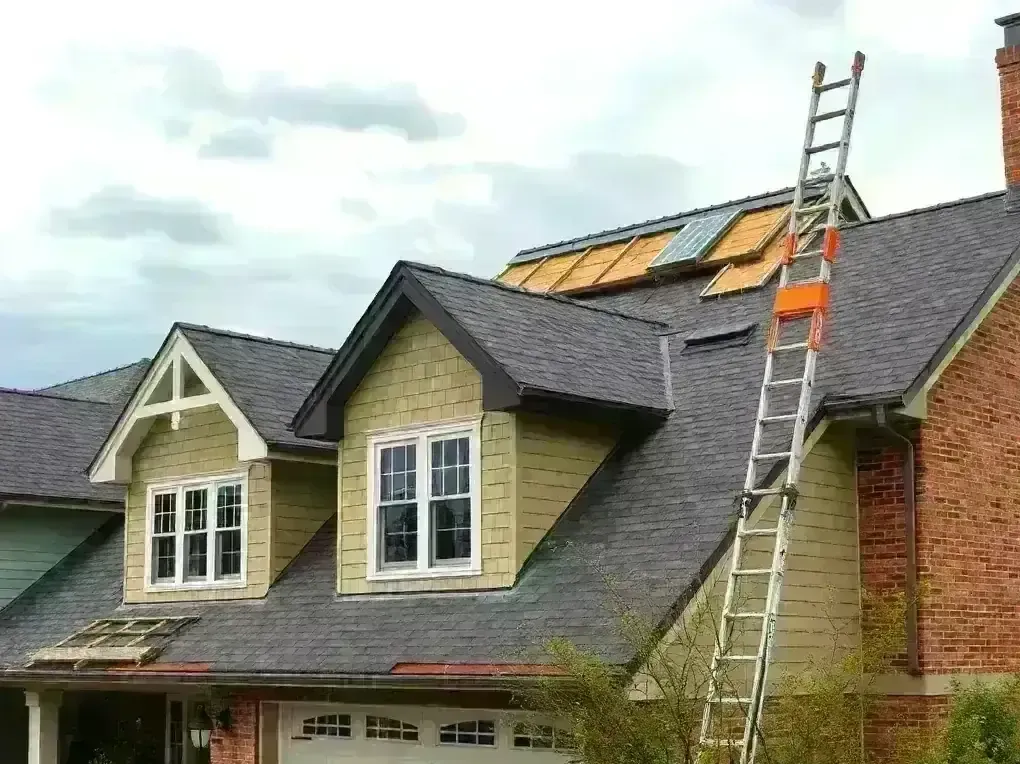
- Scaffold, ladder, safety harness, and roof anchors that keep the crew tied off on a wet pitch.
- Roofing square, nail gun, and air compressor for measuring and fastening each course to the exposure spec.
- Pry bar and roofing shovel for lifting shingles without shredding the substrate underneath them.
- Torch and dumpster for modified bitumen work and same-day haul-away of tear-off debris.
- Purlin and counterbatten runs on older roofs, where a sagging board gets sistered before new decking goes down.
- Roof deck, plywood, OSB, and sheathing checks for rot, decay, and delaminated panels.
- Truss, rafter, joist, and ridge beam review from the attic, where sag or a settled ridge shows up first.
- Ridge, ridge cap, ridge vent, hip, gable, verge, and rake details, the edges that take the worst wind uplift.
- Valley, dormer, skylight, chimney, parapet, and boot flashing, plus scuppers and coping on flat and mansard roofs.
- Eave, soffit, soffit vent, attic fan, and overall ventilation, so a repaired section never traps moisture.
- Vapor barrier and insulation condition, since wet insulation has to come out to stop mold.
- Gutter, downspout, fascia, overhang, snow guard, and any canopy or awning attachment points.
- Building code items: drip edge, ice-and-water shield height, fastener pattern, and the nailing schedule a county roof inspection will check.
Signs You Need Emergency Roof Repair
Active Leak During a Storm
Water tracking down a wall or pooling at a light fixture means the underlayment has already failed. Storm-driven rain finds the same weak flashing every time, and it will not stop when the rain does.
Missing Shingles After Wind
Denver gusts lift tabs along the rake and ridge before they tear off completely. A bare field course exposes the roof deck to the next storm, so it gets tarped the same day.
Marble-Sized Hail Strikes
Hail bruising looks minor from the ground and shows up later as granule loss in the gutter. Those strike marks shorten shingle life and carry real weight in an insurance claim.
Ice Damming at the Eave
Meltwater refreezes at the eave and backs up under the starter course. That water wicks into the sheathing and often shows up as a ceiling stain weeks later.
Tree or Limb Impact
A limb resting on the roofline dents the drip edge and can punch through the decking. We remove the weight and check the valley underneath it.
Sudden Interior Staining
A brown ring on the ceiling means water has already reached the insulation. We trace it back to the pipe boot, the chimney flashing, or a failed sealant joint.
What's Included
- ✓ 24-hour response line and same-day tarping, including nights and weekends right after a storm passes.
- ✓ Emergency tarps fastened with ring-shank nails and battens, plus self-adhered ice-and-water shield over exposed decking.
- ✓ Photo damage documentation covering hail strike marks, granule loss, and interior water staining, formatted for your claim.
- ✓ Board-up and a temporary canopy over a broken skylight, a damaged dormer, or an open gable end.
- ✓ Follow-up permanent repair: tear-off, new decking, synthetic underlayment, staggered courses, and a fresh ridge cap.
- ✓ Magnetic nail sweep of the driveway and lawn after the crew loads the dumpster.
- ✓ Written roof estimate broken into line items, with the storm date noted for your adjuster.
Related Services
Ready to get started? Call us today at 7207840657 for a free estimate.
☎ Call 7207840657